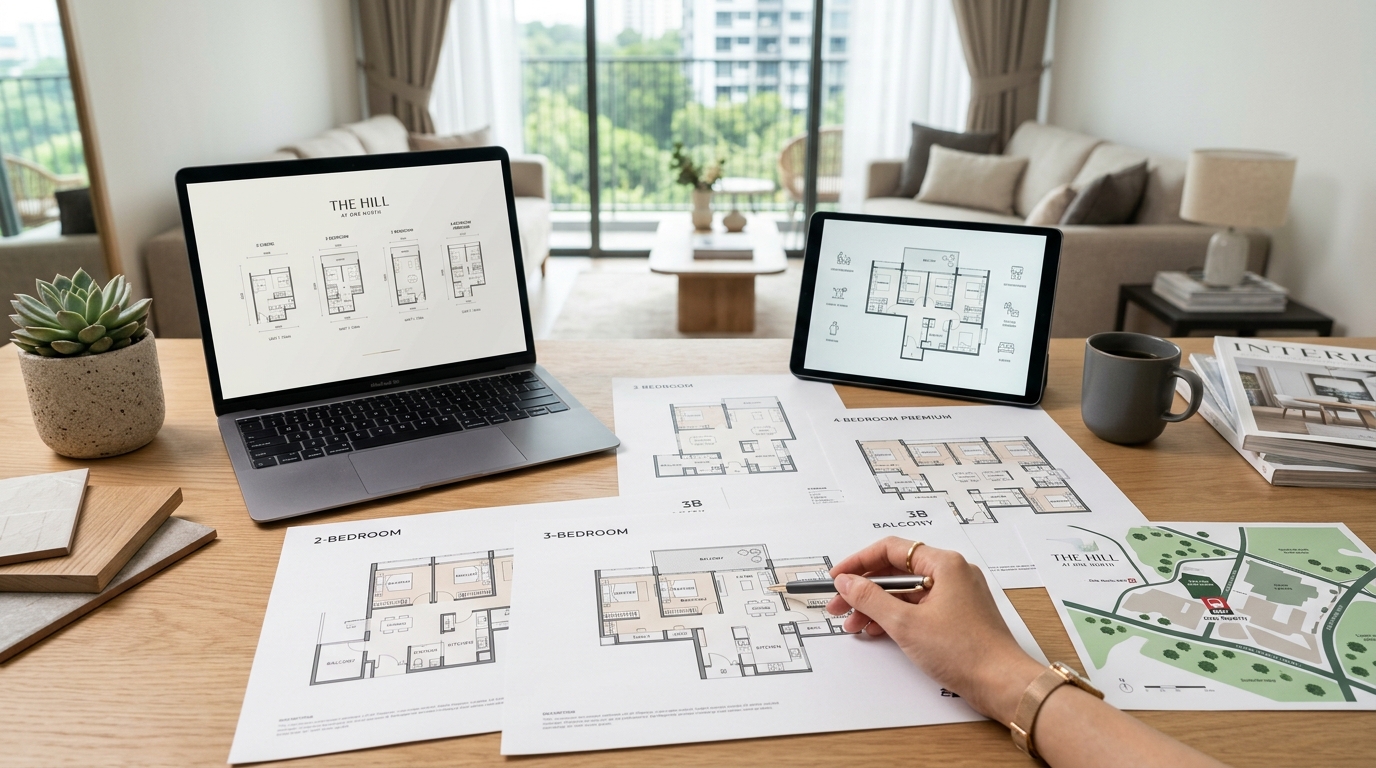
Choosing the right unit layout can make or break your daily comfort at home. The Hill @ One-North offers a thoughtful range of configurations, each designed for different household sizes and living preferences. Understanding what each floor plan delivers helps you make a confident decision that fits both your lifestyle and budget.
The Hill at One North floor plans include 1-bedroom, 2-bedroom, 3-bedroom, and 4-bedroom configurations. Each layout balances functional living spaces with modern design elements. Smaller units suit singles and young couples, while larger configurations accommodate growing families. Understanding spatial flow, storage capacity, and room proportions helps match the right floor plan to your daily routine and future needs.
Understanding the Unit Mix at The Hill @ One-North
The development offers four main categories of units. Each category serves distinct buyer profiles.
The 1-bedroom units start around 500 square feet. These compact homes work well for young professionals or investors seeking rental yield. The layout typically includes an open-plan living and dining area, a separate bedroom, and a well-appointed bathroom.
Two-bedroom configurations range from approximately 650 to 750 square feet. These units attract young couples planning for their first child or small families who value location over size. Most 2-bedroom floor plans feature a master bedroom with ensuite bathroom and a second bedroom that can double as a study or nursery.
Three-bedroom units span roughly 900 to 1,100 square feet. These layouts suit established families with school-going children. The additional room provides flexibility for a home office, guest room, or dedicated study space.
Four-bedroom penthouses and premium units exceed 1,200 square feet. These spacious configurations cater to multi-generational families or buyers who prioritize entertaining and storage.
Breaking Down the 1-Bedroom Layout
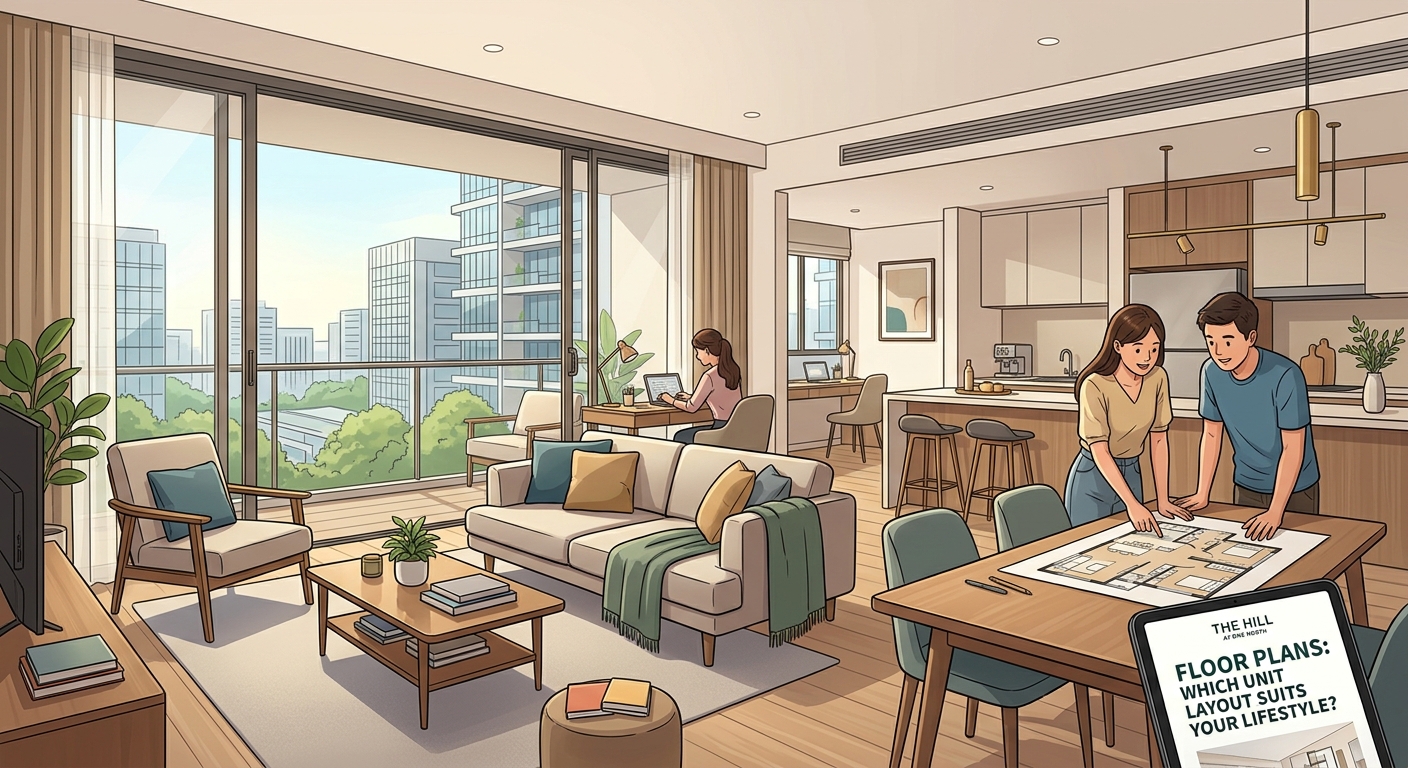
The 1-bedroom units maximize every inch of available space. The open-concept living area creates an airy feel despite the compact footprint.
Most 1-bedroom floor plans position the bedroom away from the main entrance. This separation provides acoustic privacy when you have guests in the living area. The bedroom typically accommodates a queen-sized bed with room for bedside tables and a wardrobe.
The kitchen sits adjacent to the living area, often with a breakfast counter that doubles as a dining spot. This setup works well for singles who eat out frequently or cook simple meals at home.
Storage presents the main challenge in 1-bedroom units. You’ll need to be intentional about furniture choices. Opt for pieces with built-in storage or vertical shelving to make the most of wall space.
The bathroom usually includes a shower stall rather than a bathtub. This choice saves space while maintaining functionality. Some units feature a small utility area for a washer-dryer combo.
What the 2-Bedroom Floor Plans Offer
Two-bedroom units provide significantly more breathing room. The layouts typically separate the bedrooms by placing the living area between them.
The master bedroom in most 2-bedroom configurations measures around 120 to 140 square feet. This size comfortably fits a queen bed, wardrobe, and dresser. The ensuite bathroom adds convenience, especially when you have overnight guests using the second bedroom.
The second bedroom ranges from 90 to 110 square feet. Parents often use this room for a young child or convert it into a home office. The size accommodates a single bed or a compact desk setup with storage.
Living and dining areas in 2-bedroom units offer enough space for a proper sofa set and dining table for four. You can host small dinner parties without feeling cramped.
The kitchen in these units often includes more counter space and storage compared to 1-bedroom layouts. Some floor plans incorporate a yard or service balcony, perfect for drying laundry or storing household items.
How 3-Bedroom Configurations Balance Space
Three-bedroom units represent the sweet spot for many families. These layouts provide dedicated spaces for different household activities.
The master bedroom typically measures 140 to 160 square feet. This size allows for a king-sized bed, full wardrobe system, and a small seating area. The ensuite bathroom often includes both shower and bathtub, with some units offering dual sinks.
The two additional bedrooms range from 100 to 120 square feet each. These rooms work well for children of different ages or for combining a guest room with a study. The shared bathroom serves these bedrooms and guests.
Living areas in 3-bedroom units span 200 to 250 square feet. You can comfortably fit a full entertainment setup, sofa set, and separate dining table for six. Some layouts include a small balcony off the living room, extending your usable space.
Kitchen configurations in these units often feature an L-shaped or parallel layout. This design provides ample counter space for meal preparation and storage for groceries and appliances. Many 3-bedroom floor plans include a proper utility room or yard area.
Comparing Floor Plan Efficiency
Not all square footage delivers equal value. Understanding how each layout uses space helps you assess true functionality.
| Unit Type | Typical Size | Best For | Potential Drawback |
|---|---|---|---|
| 1-Bedroom | 500-550 sqft | Singles, investors | Limited storage space |
| 2-Bedroom | 650-750 sqft | Young couples, small families | Second bedroom may feel tight |
| 3-Bedroom | 900-1,100 sqft | Growing families | Higher maintenance costs |
| 4-Bedroom | 1,200+ sqft | Large families, entertainers | Premium price point |
The efficiency ratio matters more than total area. A well-designed 700-square-foot unit can feel more spacious than a poorly planned 800-square-foot layout.
Look at corridor space. Long, narrow hallways eat up square footage without adding functional value. The best floor plans minimize circulation space while maintaining privacy between rooms.
Check window placement and natural light. Units with windows on multiple sides feel larger and more inviting. Corner units often provide better ventilation and brightness.
Matching Floor Plans to Lifestyle Needs
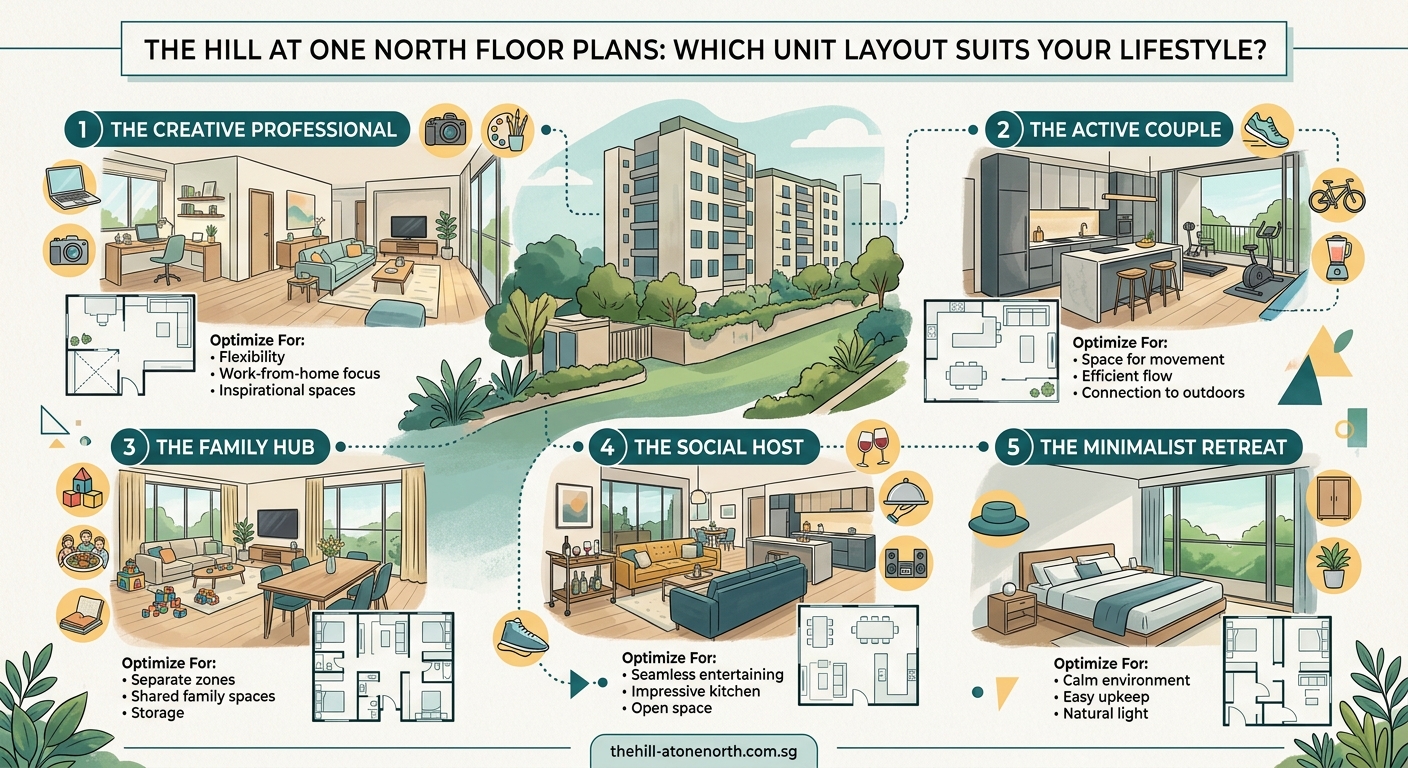
Your daily routine should guide your floor plan choice. Think about how you actually use your home.
For remote workers: A 2-bedroom unit with a dedicated study beats a cramped 1-bedroom where you work from the dining table. The physical separation between work and rest spaces improves focus and work-life balance.
For families with young children: Three-bedroom units allow parents to keep a nursery close by while maintaining a separate bedroom for older siblings. The extra bathroom reduces morning congestion when everyone needs to get ready simultaneously.
For entertainers: Larger units with open-plan living areas and balconies make hosting gatherings easier. Consider whether you need a formal dining area or prefer a more casual setup.
For minimalists: A well-designed 1-bedroom unit might suit your needs better than a larger space that requires more furniture and maintenance. Less space often means less clutter and easier upkeep.
The right floor plan supports your lifestyle rather than constraining it. Choose based on how you live today and how you expect your needs to evolve over the next five to seven years.
Evaluating Storage Solutions in Each Layout
Storage capacity varies dramatically between unit types. Assess your belongings honestly before deciding.
- List your current storage needs, including wardrobes, kitchen items, sports equipment, and seasonal items.
- Measure key furniture pieces you plan to bring or buy, especially beds, sofas, and dining tables.
- Consider vertical storage options like tall cabinets and wall-mounted shelves to maximize space.
- Factor in any hobby equipment, from bicycles to musical instruments to crafting supplies.
One-bedroom units require creative storage thinking. Built-in wardrobes and under-bed storage become essential. You might need to rent external storage for items you use infrequently.
Two-bedroom layouts offer more flexibility. The second bedroom can accommodate storage furniture without compromising living space. Some units include a utility area that houses the washer, dryer, and storage cabinets.
Three and four-bedroom units typically provide sufficient built-in storage. Walk-in wardrobes in master bedrooms, linen closets, and utility rooms handle most household items comfortably.
Balcony and Outdoor Space Considerations
Outdoor areas add significant value to your living experience. Not all floor plans include balconies, and sizes vary considerably.
Compact units might offer a small planter box or Juliet balcony. These provide fresh air and some connection to the outdoors without taking up much space. They work well for growing herbs or enjoying morning coffee.
Larger units often feature proper balconies ranging from 50 to 100 square feet. These spaces accommodate outdoor furniture, potted plants, and even a small dining setup. Balconies create an extension of your living area, especially valuable in Singapore’s tropical climate.
Corner units sometimes include wrap-around balconies or dual balconies off different rooms. This configuration enhances cross-ventilation and provides multiple outdoor access points.
Check the balcony orientation. North-facing balconies stay cooler throughout the day, while east-facing ones offer pleasant morning light. West-facing balconies can get quite warm in the afternoon.
Future-Proofing Your Floor Plan Choice
Your needs will change over time. Smart buyers consider both current requirements and future scenarios.
Young couples often start with a 2-bedroom unit. The second room serves as a study initially, then converts to a nursery when children arrive. This approach avoids the need to move during pregnancy or with a newborn.
Families with teenagers might prefer 3-bedroom layouts where each child has private space. The separation reduces sibling conflicts and provides quiet zones for studying.
Empty nesters sometimes downsize from 4-bedroom homes to 2-bedroom units. The smaller space requires less maintenance while still accommodating visiting children and grandchildren.
Think about aging in place. Ground-floor units or developments with good lift access matter more as mobility decreases. Bathrooms with space for grab bars and walk-in showers add long-term value.
Practical Steps to Choose Your Ideal Layout
Making the final decision requires a systematic approach.
- Visit the showflat multiple times at different hours to assess natural light and ambient noise levels.
- Bring measuring tape and check if your existing furniture fits the proposed layout.
- Walk through your typical daily routine mentally, from morning preparation to evening relaxation.
- Consider how often you host guests and whether the layout supports entertaining.
- Calculate total costs including monthly mortgage, maintenance fees, and utilities for each unit type.
Request floor plans in digital format. Use free room planning apps to visualize furniture placement before committing. This exercise often reveals space constraints you might miss during a showflat visit.
Talk to current residents if possible. They provide insights about living in specific unit types that marketing materials never mention. Ask about storage adequacy, noise levels, and any layout quirks they discovered after moving in.
Understanding Price Differences Between Layouts
Floor plan selection directly impacts your investment amount. Price per square foot varies based on unit type and stack position.
One-bedroom units typically command the highest price per square foot. The compact size makes them accessible to more buyers, driving up demand. These units also attract investors seeking rental income from young professionals.
Two and three-bedroom units fall in the middle range for price per square foot. They appeal to owner-occupiers who plan to stay long-term, creating more stable pricing.
Four-bedroom penthouses and premium units cost more overall but sometimes offer better price per square foot value. The higher total price limits the buyer pool, creating negotiation opportunities.
Factor in maintenance fees when comparing options. Larger units pay higher monthly fees, which add up significantly over years of ownership. A 1,200-square-foot unit might cost twice as much in monthly fees compared to a 600-square-foot unit.
Common Floor Plan Mistakes to Avoid
Buyers often overlook important details during the selection process.
- Choosing based solely on price: The cheapest option might not serve your needs, leading to dissatisfaction and potential loss when selling.
- Ignoring room proportions: A bedroom that’s technically large enough for a king bed might not leave space for movement or other furniture.
- Underestimating storage needs: Most people accumulate more belongings over time, not fewer.
- Forgetting about natural ventilation: Units with windows on only one side can feel stuffy and require constant air conditioning.
- Overlooking noise sources: Bedrooms near lift lobbies or bin centers suffer from disturbances that floor plans don’t show.
Pay attention to column placement. Structural columns in the middle of rooms limit furniture arrangement options. Check the floor plan carefully for these elements.
Consider door swing directions. Poorly planned door swings waste space and create awkward traffic flow. Visit the showflat to experience how doors actually open and close.
Making Your Floor Plan Work for You
The best floor plan supports your lifestyle while offering flexibility for change. Take time to understand how each configuration serves different needs throughout various life stages.
Visit The Hill @ One-North showflat with a clear list of must-haves and nice-to-haves. Measure spaces, visualize your furniture, and imagine your daily routine in each layout. The right choice becomes obvious when you focus on practical living rather than just square footage numbers.
Your home should enhance your quality of life, not constrain it. Choose the floor plan that makes your daily activities easier and brings you genuine comfort. The investment you make today shapes your living experience for years to come.
Leave a Reply