5 Feng Shui Tips for Choosing Your Perfect Unit at The Hill at One North
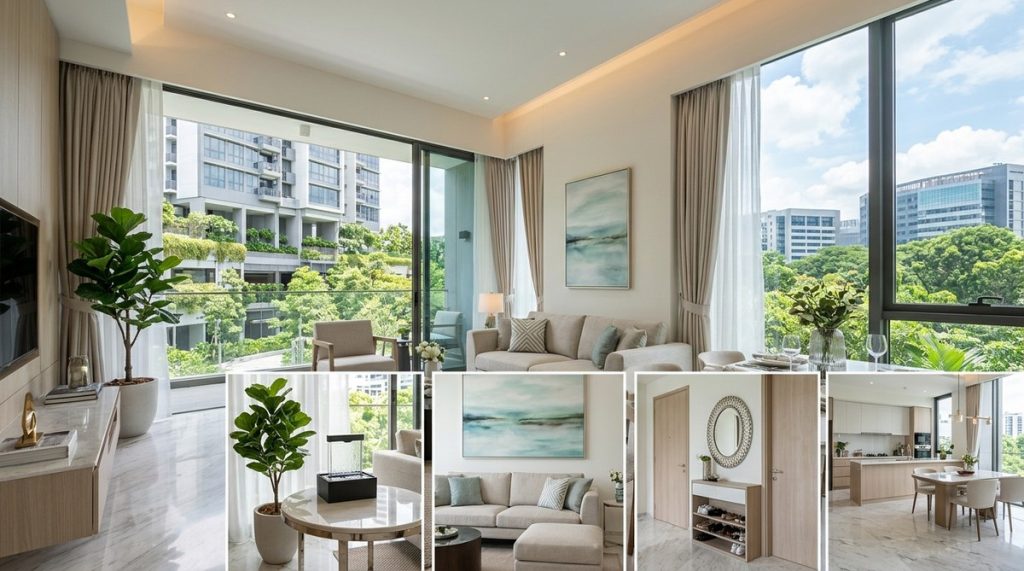
Choosing a home is one of the biggest decisions you will make. In Singapore, many buyers and renters look beyond the square footage and the view. They look at how the energy of a space will affect their daily lives. Feng shui is not about superstition for most people. It is about creating a living environment that feels balanced, supportive, and harmonious. If you are evaluating a condo like The Hill at One North, understanding a few core feng shui principles can help you pick a unit that truly works for you.
Good feng shui for a condo starts with the building’s external environment and flows into the unit itself. Focus on the facing direction of the main door, the floor level, the layout of the living room and kitchen, and how natural light and air move through the space. Avoid sharp corners pointing at your bed or desk, and keep the toilet door closed to preserve positive energy. These simple checks can make a big difference in how your home feels every single day.
Start with the building’s surroundings
Before you even step into a unit, look at how the building sits on the land. In feng shui, the external environment is more powerful than anything you can change inside. A development like The Hill at One North has a natural advantage because it is built on elevated ground. A gentle slope behind the building provides support, like an armchair. This is known as the “tortoise” position, and it is considered very stable.
What should you watch out for? Avoid units where a main road or a highway points directly at the building. This creates what practitioners call “sha qi,” or killing energy. Also, check if there is a large body of water in front of the building. Water can be good for wealth energy, but only if it flows gently. A drainage canal or a large swimming pool directly in front of the main entrance can be too aggressive.
Take a walk around the block before you enter the showflat. Look for these external factors:
- Is there a busy T-junction pointing at the building?
- Are there sharp corners from neighbouring buildings pointing towards your potential unit?
- Is the main lobby facing a clear, open space rather than a wall or a lift shaft?
If the external environment feels balanced, the unit inside has a much better foundation for good energy.
Check the facing direction of your main door
The main door is where chi, or life force energy, enters your home. In traditional feng shui, the direction the door faces matters a lot. But you do not need a compass to get started. You can use common sense.
When you stand at the main door of a unit and look out, what do you see? Ideally, you want to see a welcoming view. A corridor that leads to a window with natural light is good. A wall directly opposite the door, less than three metres away, is not ideal. It blocks the energy before it can circulate.
Here is a simple test you can do during a viewing:
- Stand at the entrance of the unit.
- Look straight ahead. Do you see a toilet door, a kitchen stove, or a bedroom door?
- If you see a toilet or a stove, the energy enters and either gets flushed away or hits fire too quickly.
- Check if you can see the back of the unit from the front door. A straight line from front door to back window pushes energy straight out.
- Look for a solid wall or a piece of furniture that can act as a buffer. A console table or a screen can help redirect the flow.
If the unit you are considering has a direct line from the front door to the back of the home, you can fix this with a room divider or a plant. But it is easier to choose a unit where the layout already supports a gentle, meandering path for energy.
Choose the right floor level for your needs
Many people ask about the best floor level for feng shui. There is no single answer. It depends on the surrounding environment. In a dense area like One North, mid-level floors between the 6th and 15th storey often offer the best balance. You are high enough to avoid ground-level noise and traffic, but low enough to stay connected to the earth’s energy.
Higher floors, above the 20th storey, can feel exposed. In feng shui, this is called “wind chi.” The energy moves too fast. If you are someone who values stability and grounding, a high floor might not suit you. On the other hand, if you are a creative professional who thrives on inspiration and big ideas, the expansive view from a high floor can be energising.
Ground floor units have their own considerations. You are closer to the earth, which is grounding. But you are also more exposed to external noise and the energy of people walking past. Make sure the ground floor unit has good privacy and does not sit directly above a carpark entrance or a loading bay.
Evaluate the layout of the living room and kitchen
The living room is the heart of the home. In feng shui, it should feel spacious and inviting. Look for a square or rectangular shape. Avoid units where the living room has an awkward L-shape or a sharp corner that points at the seating area. These “poison arrows” can create discomfort over time.
The kitchen represents wealth and nourishment. The stove should not be placed directly opposite the main door or the toilet door. If you can see the stove from the entrance, the energy of wealth is exposed. Also, check that the kitchen sink and the stove are not on the same counter without a gap between them. Water and fire clash. A small separation, even a few inches, helps keep the elements balanced.
Here is a table that summarises common layout mistakes and how to fix them:
| Feng Shui Issue | What to Look For | Simple Fix |
|---|---|---|
| Main door faces toilet | Energy gets flushed away | Keep toilet door closed, hang a crystal or mirror outside the toilet |
| Stove faces main door | Wealth energy is exposed | Place a screen or hang a wind chime between the door and the stove |
| Bedroom above kitchen | Resting space over fire element | Avoid this unit if possible; if not, use heavy curtains and grounding colours |
| Sharp corner points at sofa | Poison arrow creates stress | Place a tall plant or a soft fabric to soften the corner |
| Window behind bed | Support is lost | Install a solid headboard and avoid sleeping with your head directly under a window |
Pay attention to the bedroom and study
Your bedroom is where you recharge. The most important rule is the placement of the bed. You should be able to see the door from the bed without lying directly in line with it. This is called the “command position.” It gives you a sense of safety and control.
Avoid placing the bed under a beam. A beam across the bed creates a feeling of pressure. If the unit has a slanted ceiling in the bedroom, be careful. Slanted ceilings can compress energy and make it hard to rest properly.
For a study or home office, the same command position applies. Place your desk so that you face the door, but not directly in line with it. This helps you stay focused and alert. If you work from home often, check the unit’s floor plan for a dedicated study nook. Many units at The Hill at One North offer flexible layouts that can accommodate a small desk area near a window.
“In feng shui, the most important thing is how the space makes you feel. If a unit feels cramped or dark during the day, no amount of cures will fix the underlying problem. Trust your instincts.”
Master Lee, Singapore Feng Shui Association
Use natural light and air flow as your guide
Good feng shui relies on natural elements. When you view a unit, pay attention to how much natural light enters the living room and bedrooms. A unit that feels dark and stuffy will have stagnant chi. Look for windows that face east or south east. Morning light is considered the most auspicious because it brings yang energy, which is active and warm.
Air flow is just as important. Open the windows during a viewing. Can you feel a gentle breeze? If the unit is sealed tight with no cross ventilation, the energy cannot move. In Singapore’s humid climate, good air flow also prevents mould and keeps the space feeling fresh.
Be cautious of units that are too windy. A constant draft can scatter energy. The ideal is a gentle flow that circulates through the home without rushing.
Avoid common feng shui mistakes in condo living
Condos come with their own set of challenges. Here are some mistakes to watch for when choosing your unit:
- A unit directly opposite the lift lobby. The constant opening and closing of the doors creates choppy energy. If you must choose such a unit, place a mirror or a plant near the entrance to deflect the energy.
- A unit above or below a rubbish chute. The energy of waste is not ideal for a living space. If possible, choose a unit that is at least two floors away from the chute.
- A unit with a toilet located in the centre of the floor plan. The centre of the home is the heart. A toilet in that position drains the energy of the entire unit.
- A unit with a long, narrow corridor leading to the bedrooms. This is called a “needle” corridor. It pushes energy too quickly. Use a round mirror or a soft light at the end of the corridor to slow it down.
How to apply these tips at The Hill at One North
The Hill at One North is set in a vibrant area with good transport links and green spaces. The surrounding landscape includes parks and low rise buildings, which helps create a balanced environment. When you look at specific units, focus on the ones that face the greenery rather than the main road.
Check the floor plans carefully. Look for units where the living room and dining area flow into each other without a narrow choke point. Units with a balcony facing east or south east are ideal for capturing morning light. Also, consider the dual key units if you want separate living spaces for extended family. These units often have two separate entrances, which can help manage the energy flow between generations.
If you are comparing different stacks, ask the sales team about the orientation of each block. North facing units are considered good for career growth, while east facing units support family harmony. Choose the orientation that matches your current life goals.
Put your feng shui knowledge into practice
You now have a solid set of feng shui tips for choosing a condo. Start by evaluating the building’s surroundings, then move into the unit itself. Check the main door direction, the floor level, and the layout of the key rooms. Use natural light and air flow as your guides. Avoid the common mistakes that can drain energy from your home.
When you visit The Hill at One North, bring a notebook. Walk through each unit slowly. Feel how the space sits on your shoulders. If a unit feels right and passes the basic feng shui checks, it is likely a good match for you. And if you want to go deeper, consider bringing a feng shui consultant for a second viewing. The small investment can save you from years of living with uncomfortable energy.
Your home should support you, not fight you. By applying these simple principles, you can choose a condo that feels balanced, welcoming, and truly yours.