The Ultimate Packing List for Tropical Destinations: What Singapore Travellers Often Forget
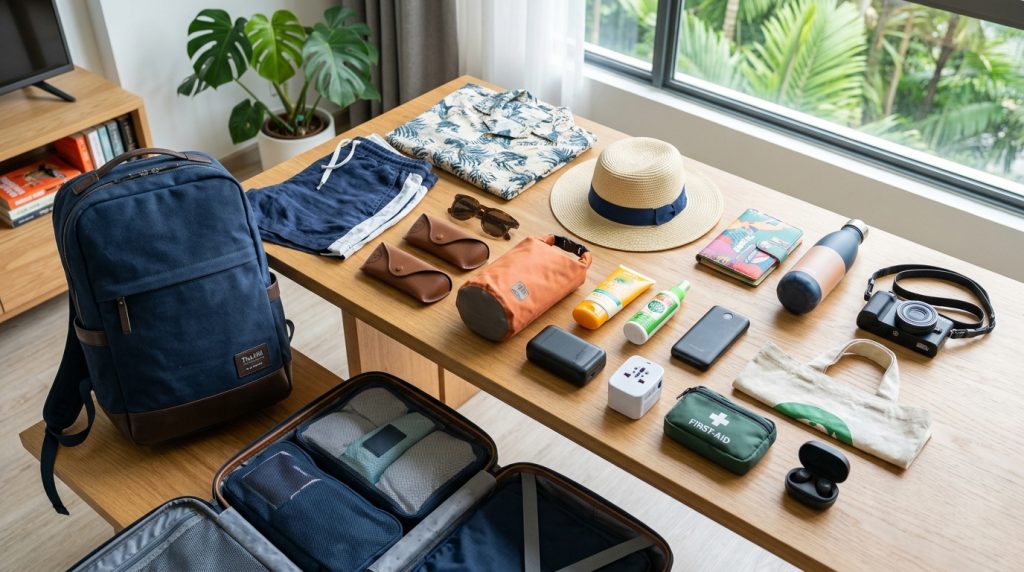
You’ve booked your flights to Bali, Phuket, or the Maldives. Accommodation is sorted. But when it comes to packing, even seasoned Singapore travellers forget crucial items that make or break a tropical holiday. Living in a tropical climate doesn’t automatically mean we remember everything needed for beach resorts, jungle treks, or island-hopping adventures.
This comprehensive packing list for tropical destinations covers essentials Singapore travellers frequently forget, from reef-safe sunscreen and moisture-wicking fabrics to portable fans and insect repellent. Proper preparation ensures comfort in humid climates, protects against intense sun exposure, and prevents common travel mishaps that can derail your holiday plans. Pack smart to maximise enjoyment and minimise stress during your tropical getaway.
Sun Protection Beyond the Basics
Most people remember sunscreen. Few remember to bring enough or the right type.
Reef-safe sunscreen is now mandatory at many tropical destinations. Regular formulas damage coral ecosystems and can result in fines. Check your sunscreen contains zinc oxide or titanium dioxide instead of oxybenzone or octinoxate.
Pack at least 200ml per person for a week-long trip. You’ll apply more frequently than you think, especially after swimming or sweating. The tropical sun near the equator is significantly stronger than what we experience in Singapore, even though we’re already in the tropics.
Don’t forget these often-overlooked sun protection items:
- Lip balm with SPF 30 or higher
- Scalp spray or powder sunscreen for hair partings
- UV-protective sunglasses with polarised lenses
- Wide-brimmed hat that won’t blow off in ocean breezes
- Rash guard or swim shirt for extended water activities
- After-sun gel or aloe vera for inevitable burns
A lightweight sarong serves triple duty as beach cover-up, temple wear, and emergency sun shield. Choose quick-dry fabric that won’t stay damp in humid conditions.
Clothing That Actually Works in Humidity
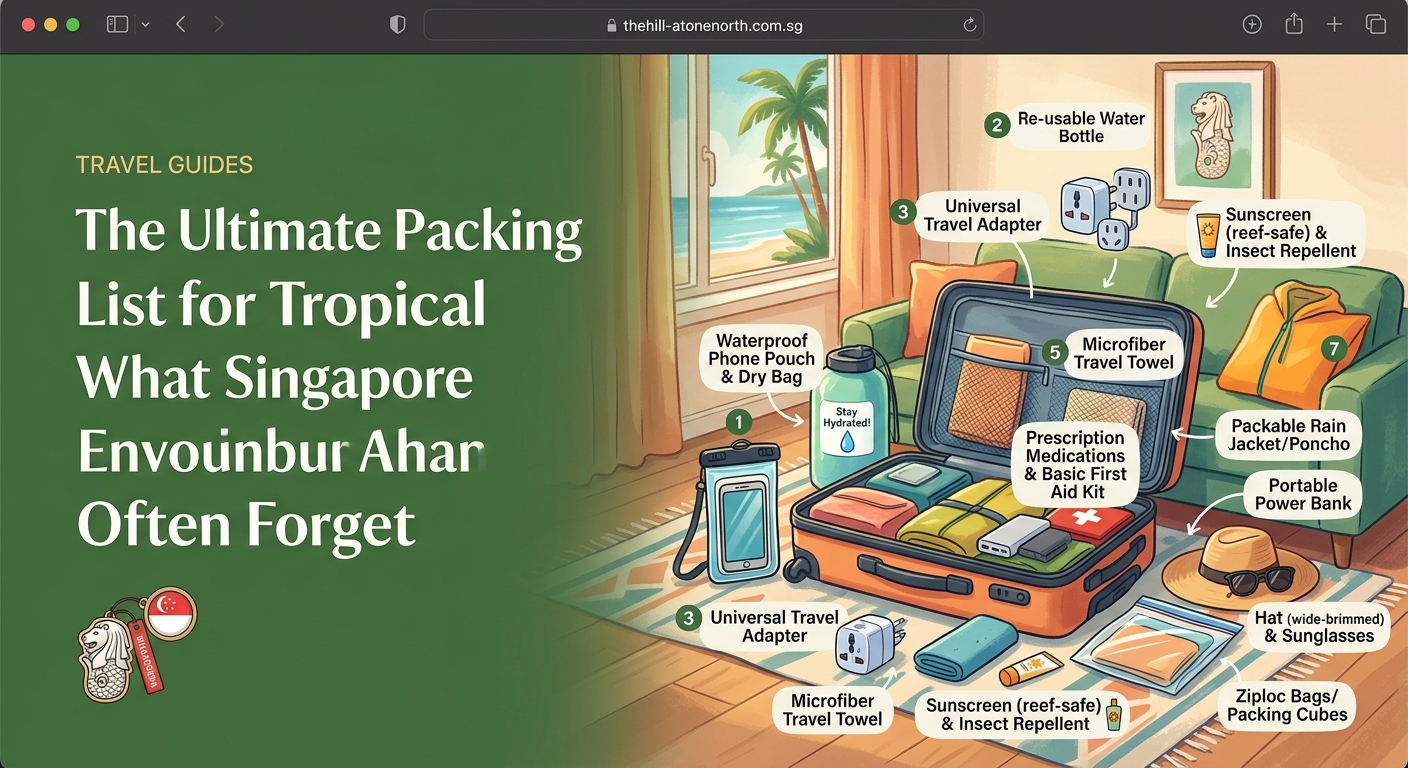
Singapore’s humidity trains us for tropical travel, but resort destinations often feel more oppressive. Coastal areas combine heat with salt air that makes everything feel sticky.
Synthetic moisture-wicking fabrics outperform cotton in these conditions. Look for polyester blends, bamboo fabric, or merino wool that dry within hours instead of days.
Here’s what belongs in your suitcase:
- Three to four lightweight tops in breathable fabrics
- Two pairs of shorts or skirts with anti-chafe linings
- One pair of long, loose trousers for temple visits or evening mosquitoes
- Underwear in moisture-wicking material (pack extra pairs)
- One light cardigan or shawl for over-air-conditioned restaurants
- Swimwear that dries completely overnight
Pack clothes in compression bags to maximise luggage space. Roll garments instead of folding to reduce wrinkles and create more room.
Avoid bringing white or light colours if you’re visiting destinations with red soil or dusty roads. Stains become permanent souvenirs.
Footwear for Every Tropical Scenario
The wrong shoes can ruin a tropical holiday faster than anything else.
Flip-flops work for the pool but fail everywhere else. Beach walks require water shoes to protect against sharp coral, sea urchins, and hot sand. Temple visits need closed-toe options that slip on and off easily.
Bring these three pairs minimum:
- Waterproof sandals with arch support and sturdy soles
- Lightweight trainers or walking shoes for excursions
- Dressier sandals or espadrilles for evening dinners
Break in new footwear at least two weeks before your trip. Blisters in tropical heat lead to infections that take weeks to heal.
Reef shoes or water socks protect feet during snorkelling, kayaking, and beach activities. They pack flat and weigh almost nothing.
Technology and Electronics That Survive the Elements
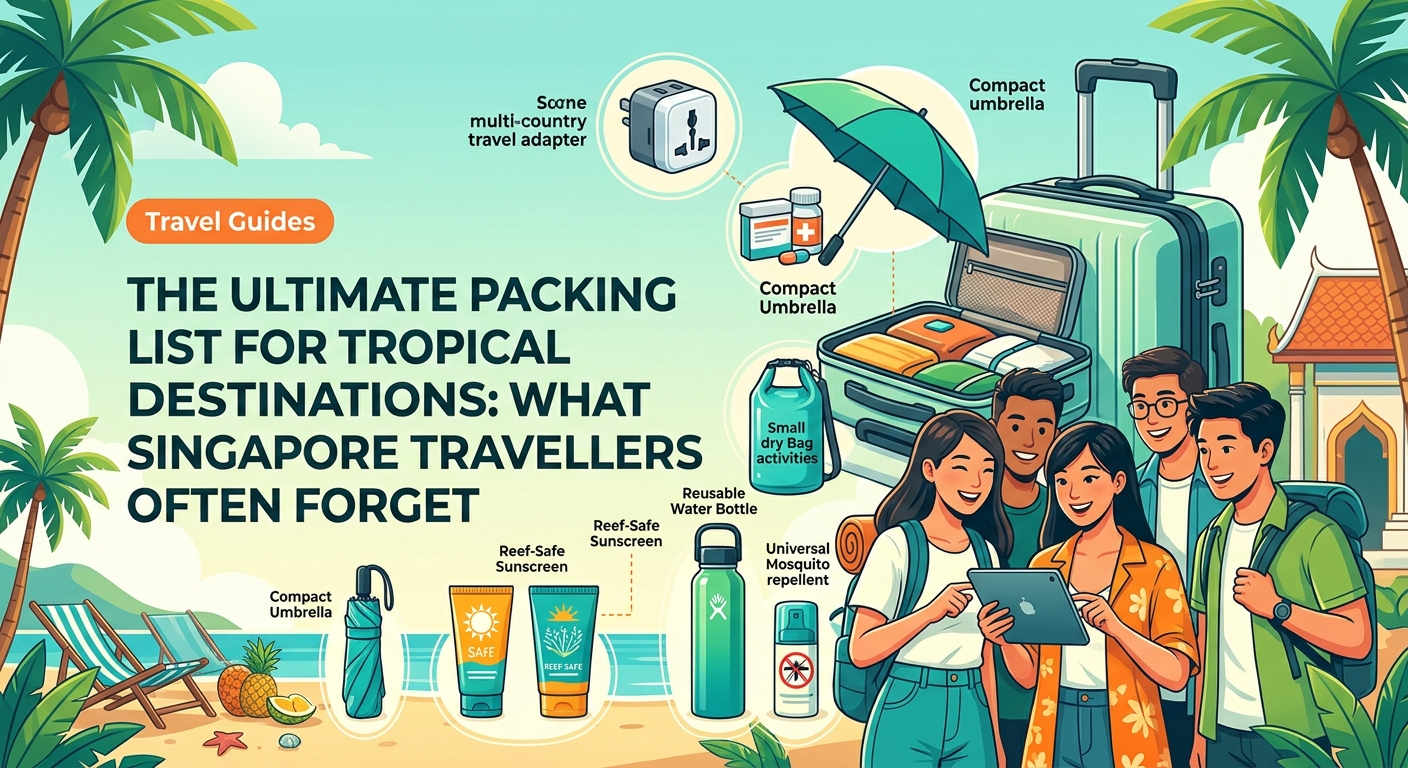
Humidity destroys electronics. Salt air accelerates the damage.
Waterproof phone cases are essential, not optional. Even poolside relaxation poses risks from splashes, condensation, and accidental drops. Choose cases rated for underwater photography if you plan to capture marine life.
Your tropical tech kit should include:
- Universal travel adapter with surge protection
- Portable power bank (20,000mAh minimum for multiple devices)
- Waterproof dry bag for beach days
- Extra charging cables (humidity causes faster deterioration)
- Memory cards for cameras (cloud backup isn’t reliable everywhere)
- Headphones or earbuds in a protective case
Silica gel packets in your electronics bag absorb moisture and prevent damage. Collect them from shoe boxes and vitamin bottles before your trip.
Consider a portable fan that clips to your bag or beach chair. Battery-operated models provide relief during boat transfers or outdoor activities when there’s no breeze.
Health and Hygiene Essentials
Tropical destinations present unique health challenges that Singapore’s urban environment doesn’t.
Insect repellent with at least 20% DEET protects against mosquitoes carrying dengue, malaria, or Zika. Spray versions work for skin; stick formulas are better for faces and children. Reapply every four hours, more frequently after swimming.
Pack these medical and hygiene items:
| Item | Why You Need It |
|---|---|
| Oral rehydration salts | Prevents dehydration from heat or food issues |
| Anti-diarrheal medication | Addresses traveller’s stomach problems |
| Antihistamine cream | Relieves insect bites and minor allergic reactions |
| Blister plasters | Treats friction from new shoes or wet footwear |
| Hand sanitiser (travel size) | Maintains hygiene when soap isn’t available |
| Prescription medications | Bring double the amount you think you’ll need |
Baby powder or anti-chafe balm prevents painful skin irritation in humid conditions. Apply to thighs, underarms, and anywhere clothing rubs.
Women should pack enough sanitary products for the entire trip. Many tropical destinations have limited options or unfamiliar brands.
“The biggest mistake I see travellers make is underpacking medication and overpacking clothes. You can rewear a dress, but you can’t improvise antibiotics at midnight when the nearest pharmacy is an hour away.” – Dr. Sarah Lim, travel medicine specialist
Documents and Money Management
Waterproof document holders protect passports, travel insurance papers, and vaccination records from humidity and accidental spills.
Make physical and digital copies of important documents. Email yourself scans of your passport, travel insurance, booking confirmations, and credit cards. Store physical copies separately from originals.
Notify your bank before travelling to prevent card freezes. Bring at least two different credit or debit cards in case one gets declined or lost.
Small denominations of local currency are essential for tips, market purchases, and taxi fares. Many tropical destinations still operate primarily on cash, especially outside main tourist areas.
Items Singapore Travellers Consistently Forget
Living in Singapore means certain items never cross our minds because we don’t use them here.
A reusable water bottle with a filter lets you refill safely without buying endless plastic bottles. Choose insulated models that keep drinks cold for hours in tropical heat.
Ziplock bags in various sizes protect electronics, keep wet swimwear separate, and organise small items. Bring at least ten bags in different sizes.
These frequently forgotten essentials deserve space in your luggage:
- Clothesline or travel washing line with clips
- Laundry detergent sheets or pods for hand washing
- Mosquito net if staying in budget accommodation
- Small torch or headlamp for poorly lit areas
- Earplugs for noisy hotels or early morning roosters
- Eye mask for rooms with inadequate curtains
- Duct tape for emergency repairs
A microfibre towel dries faster than hotel towels and takes up minimal space. Essential for beach days or unexpected rain showers.
Plastic grocery bags work as laundry bags, wet shoe storage, and emergency rain protection for bags. Fold several flat in your suitcase.
Food and Snacks for the Journey
Airport food is expensive. Resort minibar prices are outrageous.
Pack protein bars, nuts, or dried fruit for flights, long transfers, and early morning excursions before breakfast. Choose items that won’t melt or spoil in heat.
Instant coffee or tea bags save money and provide comfort when local options don’t match your preferences. Bring a collapsible cup if you’re particular about cleanliness.
Electrolyte powder or tablets help maintain hydration better than water alone. Mix into your water bottle throughout the day, especially during active excursions.
Beach and Water Activity Gear
Snorkelling gear rental often comes with poorly fitting masks and questionable hygiene standards.
Bring your own mask and snorkel if you plan multiple water activities. Prescription masks are available for those who wear glasses. The investment pays for itself after two rentals and ensures proper fit.
A waterproof bag (20-litre capacity) keeps valuables dry during boat trips and water sports. Choose bright colours so it’s visible if dropped.
Don’t forget:
- Underwater camera or GoPro with mounts
- Defogger for snorkel masks
- Swim cap if you want to protect hair from salt water
- Goggles for pool swimming
Beach bags with sand-proof mesh bottoms prevent bringing half the beach back to your room. Look for bags with multiple pockets for organisation.
Comfort Items That Make a Difference
Small luxuries transform good trips into great ones.
A silk or satin pillowcase reduces hair frizz in humid conditions and feels cooler than cotton. It rolls up tiny in your luggage.
Lavender or eucalyptus essential oil on your pillow helps with sleep in unfamiliar rooms. A few drops on a tissue tucked into your pillowcase works perfectly.
Favourite snacks from home provide comfort when you’re tired of local cuisine. Pack non-perishable items that won’t attract customs attention.
Preparing Your Luggage Properly
How you pack matters as much as what you pack.
Hard-shell suitcases protect contents better than soft bags but offer less flexibility for overpacking. Choose based on your airline’s baggage policies and how much shopping you plan to do.
Packing cubes organise clothes by category and compress items to create more space. Use different colours for different family members or clothing types.
Place heavy items like shoes at the bottom near wheels. Fill shoes with socks or small items to maximise space. Wrap shoes in shower caps to keep clothes clean.
Keep a change of clothes, medications, and valuables in your carry-on. Lost luggage happens, and you’ll want essentials while waiting for bags to arrive.
Your Tropical Adventure Starts with Smart Packing
The difference between a stressful holiday and a relaxing one often comes down to preparation.
This packing list for tropical destinations addresses the items Singapore travellers most frequently forget or underestimate. Print it out, tick off items as you pack, and customise based on your specific destination and activities.
Start packing three days before departure instead of the night before. This gives you time to purchase forgotten items and avoid last-minute panic. Check weather forecasts a week out to confirm clothing choices match expected conditions.
Your future self will thank you when you’re sipping a coconut on the beach with everything you need, nothing you don’t, and zero stress about what you left behind.