5 Interior Design Tips to Maximise Space in Your Hill at One North Condo
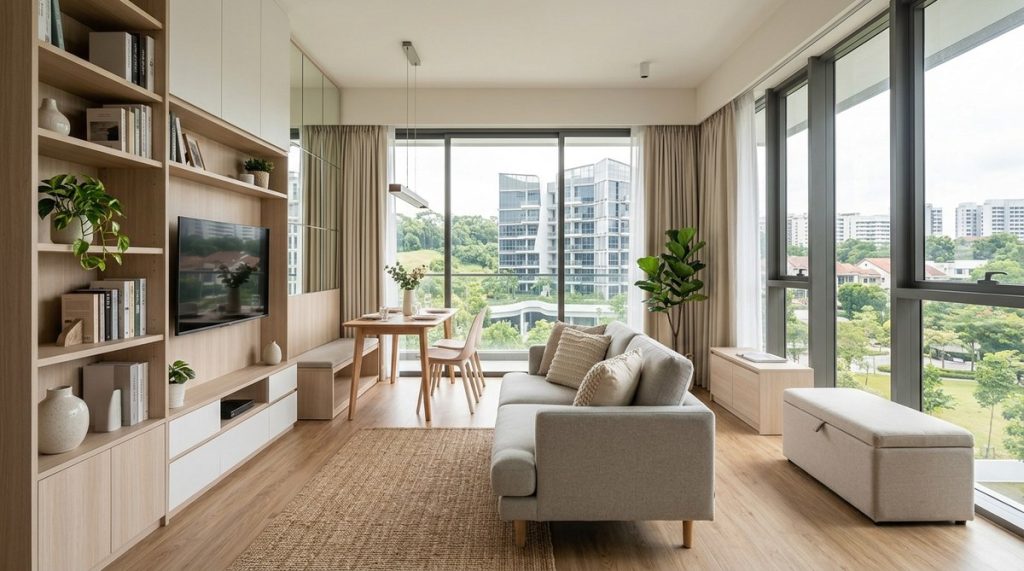
Living in a compact condo in Singapore often means getting creative with every square metre. At a development like The Hill at One North, where units are thoughtfully designed but still cosy, the challenge is to make the space feel bigger, more functional, and truly yours. The good news? You do not need a full renovation to transform your home. With a few clever interior design strategies, you can turn even a 500-square-foot unit into a place that breathes, stores everything you need, and looks like a million bucks.
Maximising a small condo is about choosing the right furniture, using vertical space, and letting light do the work. From multi-purpose tables to full-height cabinets, every decision counts. The Hill at One North units are already well laid out, so adding mirrors, light colours, and smart storage can make them feel twice as large.
Start with a Space Audit Before You Buy Anything
Before you shop for furniture or paint colours, take a weekend to understand your unit. Grab a tape measure, a notebook, and a camera. Measure every wall and doorway. Note the position of windows, power points, and air-con ledges. This is the step most people skip, but it saves you from buying a sofa that blocks the walkway.
Here is a simple process to follow:
- Draw a rough floor plan on graph paper or use a free app like Magicplan.
- Mark the dimensions of each room, including ceiling height (typically 2.6 to 2.8 metres in condos).
- Identify the main traffic flow. In a typical one-bedder at The Hill at One North, the living area flows into the kitchenette. Make sure nothing blocks that path.
- Photograph the unit from every angle. This helps when you are shopping online later.
- List the items you must keep (bed, dining table, sofa) and measure them.
Once you know the exact constraints, you can plan with confidence. If you are still deciding on a unit, check the The Hill at One North Floor Plans: Which Unit Layout Suits Your Lifestyle? to see which layout works best with your furniture.
Choose Furniture That Does Double Duty
In a small condo, every piece of furniture should earn its keep. A sofa that turns into a guest bed, an ottoman with storage inside, a dining table that folds down when not in use. These are not just space savers; they are lifesavers in a Singapore context where guests often stay over.
Consider these versatile picks:
- A wall-mounted drop-leaf table for the kitchen area. It serves as a breakfast bar for two and folds away to free up floor space.
- A platform bed with deep drawers underneath. This can replace a bulky wardrobe for off-season clothes.
- Nesting coffee tables that slide apart to become side tables when you have friends over.
- Modular shelving units that can be reconfigured as your needs change.
The key is to avoid anything too large or too heavy. Stick to slim profiles and light colours so the furniture does not visually crowd the room. Many Singapore homeowners shop from local brands like HipVan or Castlery, which offer compact pieces designed for HDB flats and condos.
Use Vertical Space Like a Pro
In a condo, the walls are your best friend. Most units have 2.7-metre ceilings, which gives you plenty of room to mount shelves, cabinets, and hooks all the way up. Do not let the top half of your walls sit empty.
Install full-height wardrobes in the bedroom. Instead of a standard 2-metre tall wardrobe, go for a custom built-in that reaches the ceiling. This can double your storage capacity without taking up extra floor area.
In the kitchen, use magnetic strips on the backsplash for knives and spice tins. Hang pots and pans from a ceiling rack above the island (if you have one). In the bathroom, install a recessed shelf inside the shower wall rather than using a plastic caddy.
For the living room, floating shelves above the TV or near the ceiling line can hold books, plants, or decorative boxes. Just be careful not to clutter them. A few well-chosen items look better than a jumble of knick-knacks.
Let Light and Mirrors Do the Heavy Lifting
Natural light is the cheapest way to make a room feel larger. Keep windows uncovered or use sheer curtains. If your unit faces a direction that gets little sunlight, supplement with warm LED strips under cabinets or behind mirrors.
Mirrors are a classic trick. Place a large mirror opposite a window to reflect the outdoors and double the visual space. In a narrow hallway, install a floor-to-ceiling mirror on one wall to make it feel wider. You can also use mirrored wardrobe doors in the bedroom to open up the room.
Avoid heavy, dark curtains. Instead, go for roman blinds or roller blinds in white or light grey. They let in light while providing privacy. For privacy at night, use frosted window film instead of thick drapes.
Colour and Texture: Stick to a Light Palette
White, beige, light grey, soft pastels. These colours make walls recede and rooms feel airy. That does not mean your home has to be boring. You can add pops of colour through cushions, art, and rugs. But the base should remain light.
If you want to use a darker colour, restrict it to one accent wall behind the bed or sofa. That creates depth without overwhelming the space. For floors, go for light wood laminate or vinyl. Dark floors absorb light and make a room feel smaller.
Textures also matter. A jute rug, a linen throw, and some ceramic vases add warmth without adding clutter. They trick the eye into seeing a layered, lived-in space.
“Many of my clients at The Hill at One North think they need to knock down walls to make space. But often, simply changing the colour scheme and swapping out bulky furniture does the trick. A light palette and smart zoning can make a 450-square-foot studio feel like a 600-square-foot one-bedroom.” – Local interior designer, quoted in 2026
Common Mistakes and How to Fix Them
Here is a table of typical errors Singapore condo owners make and the better alternatives.
| Common Mistake | Why It Backfires | Better Approach |
|---|---|---|
| Buying a bulky L-shaped sofa | Eats up the entire living area, leaves no walking space | Choose a two-seater sofa with a chaise that can be moved |
| Installing floor-to-ceiling curtains in dark fabric | Blocks precious light, makes room feel like a cave | Use light sheer curtains or vertical blinds |
| Placing a large dining table in the living room | Creates a visual barrier, limits furniture arrangement | Use a narrow console table that can double as dining for two |
| Overloading the bedroom with storage | Makes the room feel cramped and cluttered | Use under-bed storage and wall-mounted shelves instead |
| Painting all walls in dark colours | Swallows light, shrinks the room | Keep ceilings and main walls light; use one accent wall |
Zoning Without Walls
In an open-concept condo, you need to define areas for sleeping, eating, and relaxing without building partitions. This is where rugs, furniture placement, and lighting zones come in.
Use a large rug under the sofa and coffee table to anchor the living area. Place a different rug under the dining table to separate it visually. Or use a slim bookshelf as a room divider. In a one-bedroom unit, consider a half-height wall behind the bed to create a sense of enclosure without blocking light.
Lighting also helps. A pendant light over the dining table defines that zone. A floor lamp next to the armchair creates a reading nook. Avoid relying on just the ceiling lights.
If you live in a studio or a one-bedder at The Hill at One North, you can also use a folding screen or a curtain track to section off the sleeping area when guests visit. It is a simple trick that adds privacy without renovation.
Storage That Blends In
Built-in storage is worth the investment. Instead of a freestanding TV console, build a wall unit that houses the television, books, and electronics behind closed doors. That hides the wires and clutter.
In the kitchen, use pull-out organisers for pots and pans. Install a magnetic board on the wall for notes and reminders rather than sticking them to the fridge. For the entryway, a narrow shoe cabinet with a flip-down shelf can hold keys, mail, and a small plant.
Do not forget about the space above doors. That strip of wall above the kitchen door or bathroom door can hold a slim shelf for rarely used items like extra towels or holiday decorations.
If you are planning to rent out your unit, adding built-in storage can increase the appeal. Check out How to Maximise Rental Income from Your Hill at One North Unit for more ideas.
Embrace Minimalism the Singapore Way
Minimalism does not mean living with nothing. It means keeping only what you use and love. In a small condo, every item has to earn its place. Before you bring something home, ask: Do I need it? Where will it live? If the answer is not clear, do not buy it.
For decluttering, use the KonMari method or the one-in-one-out rule. When you buy a new pair of shoes, donate an old pair. When you receive a gift, find a home for it or pass it on.
You can also rotate seasonal items. Keep your raincoats and sweaters in an under-bed box during the hot months. Swap them out when the monsoon comes. This keeps your wardrobe and storage manageable.
Your Small Condo, Big Potential
Living in a compact home does not mean sacrificing style or comfort. The smartest small condo interior design tips are about making choices that work for your specific layout and lifestyle. Start with a clear plan, pick furniture that serves multiple purposes, use every inch of wall space, and let light and colour do the rest.
If you are looking at units like those at The Hill at One North, remember that a smaller space can actually be easier to maintain and more cosy. With these strategies, you will create a home that feels open, organised, and welcoming. Take it step by step, and enjoy the process of making your space truly yours.