Best Travel Insurance Options for Singaporeans: What One North Residents Need to Know

Planning your next holiday abroad means sorting out flights, accommodation, and that all-important safety net: travel insurance. Many Singaporeans treat it as a checkbox item, grabbing the first policy their credit card offers or the cheapest option online. That approach can backfire when you’re stuck overseas with a medical emergency or cancelled flight, only to find your coverage falls short.
The best travel insurance Singapore plans balance comprehensive medical coverage, trip disruption protection, and personal liability at reasonable premiums. Compare policies based on your destination risk level, trip duration, and activities planned. Annual multi-trip plans suit frequent travellers, while single-trip policies work better for once-a-year holidays. Always read exclusions carefully, especially for pre-existing conditions and adventure sports.
What Makes a Travel Insurance Policy Worth Your Money
Good travel insurance does more than tick a visa requirement box. It protects your wallet when things go sideways overseas.
Medical coverage sits at the top of the priority list. A broken leg in Japan can cost upwards of $20,000 for surgery and hospital stays. Dengue fever treatment in Bali might run $5,000 to $8,000. Your policy should cover at least $500,000 for medical expenses, with higher limits for destinations like the United States where healthcare costs spiral into six figures.
Trip cancellation and curtailment protection saves you when life throws a curveball. Your mother falls ill the day before departure. Your employer cancels your approved leave. A typhoon shuts down your resort. These scenarios can mean losing thousands in non-refundable bookings. The right policy reimburses these costs.
Personal liability coverage matters more than most people think. Accidentally damage hotel property or injure someone while cycling in Amsterdam? You could face lawsuits costing tens of thousands. A decent policy includes at least $500,000 in personal liability protection.
Baggage coverage helps when airlines lose your luggage or thieves snatch your camera. While limits typically range from $3,000 to $10,000, check the sub-limits for individual items. Many policies cap single-item claims at $500, which won’t replace that $2,000 camera.
Comparing Single Trip vs Annual Multi-Trip Plans
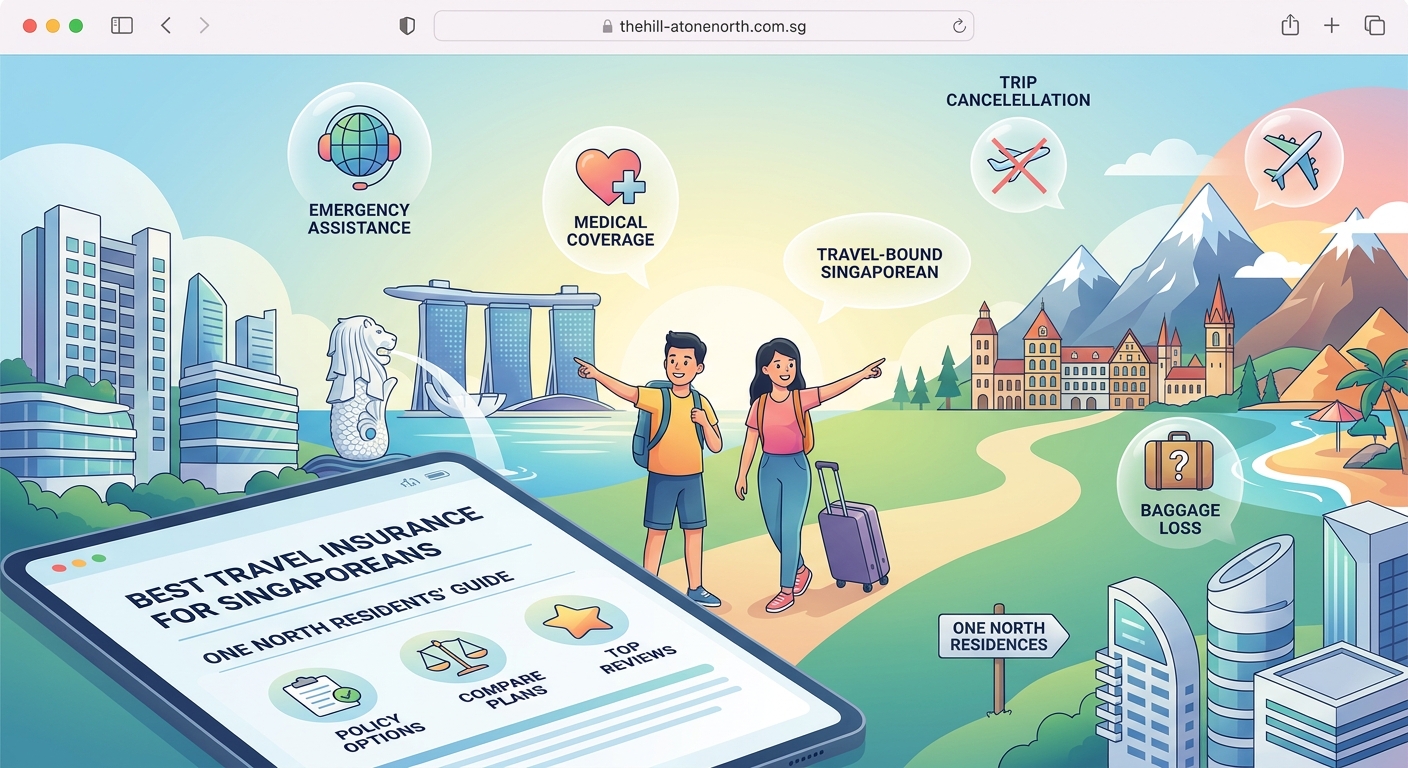
Your travel frequency determines which policy type makes financial sense.
Single-trip policies cover one journey from departure to return. They cost less upfront, typically $30 to $150 depending on destination and duration. This option suits people who travel once or twice yearly for longer holidays. You can tailor coverage to match your specific trip, adding winter sports coverage for a ski holiday or higher medical limits for a US trip.
Annual multi-trip plans cover unlimited trips within 12 months, with each trip capped at a certain duration (usually 30, 45, or 90 days). These policies cost $200 to $500 annually. If you travel three or more times yearly, even for short trips, annual plans typically work out cheaper. Business travellers and digital nomads benefit most from this flexibility.
Here’s a practical comparison:
| Policy Type | Best For | Typical Cost | Key Advantage |
|---|---|---|---|
| Single Trip | One annual holiday | $50-150 per trip | Customizable coverage |
| Annual Multi-Trip | 3+ trips yearly | $250-500 per year | Unlimited trips |
| Family Plan | Travelling with kids | $150-300 per trip | Covers whole family |
| Senior Plan | Travellers over 70 | $200-600 per trip | Age-appropriate limits |
Medical Coverage Limits Based on Your Destination
Not all destinations carry equal risk. Your coverage should match where you’re heading.
Southeast Asian countries like Thailand, Malaysia, and Indonesia need solid but not excessive medical coverage. Aim for $250,000 to $500,000. Healthcare quality varies, but costs remain manageable compared to Western nations. Medical evacuation coverage matters here since you might need transport to Singapore for serious conditions.
Japan, South Korea, and Taiwan have excellent healthcare but higher costs. Budget $500,000 to $1,000,000 in medical coverage. These destinations rarely require evacuation, but treatment expenses add up fast.
The United States, Canada, and parts of Europe demand maximum coverage. A simple appendectomy in New York can cost $50,000. A serious accident requiring intensive care might reach $500,000. Don’t skimp here. Get at least $1,000,000 in medical coverage, preferably $2,000,000 or more.
“I’ve seen travellers return from the US with medical bills exceeding $300,000 after a skiing accident. Their $100,000 policy limit left them personally liable for the difference. Always overestimate medical coverage for high-cost destinations.” – Insurance claims specialist, 15 years experience
Australia and New Zealand sit in the middle ground. Aim for $500,000 to $1,000,000. Healthcare quality matches Singapore, but costs run higher than Southeast Asia.
What Your Policy Actually Covers (and Doesn’t)
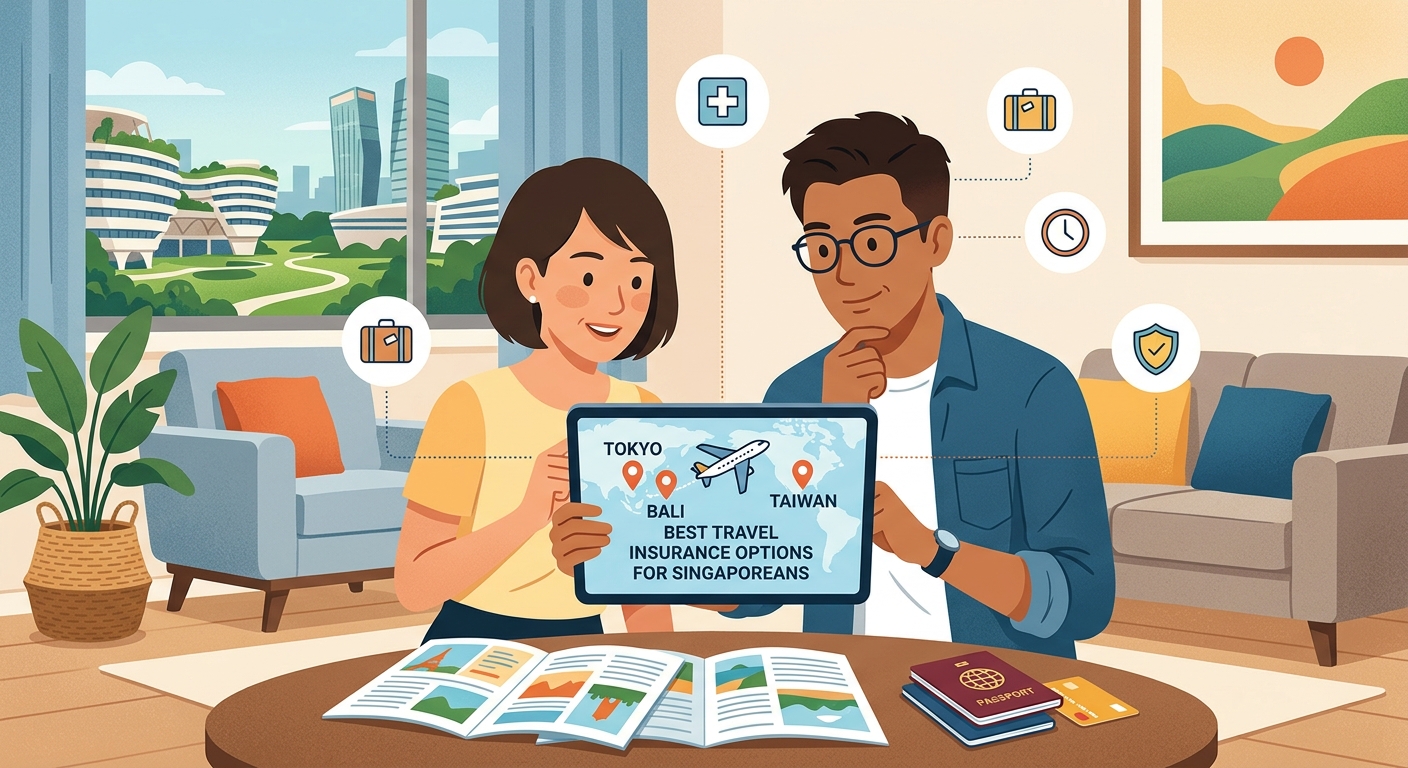
Reading the fine print prevents nasty surprises when you need to claim.
Most policies cover these standard situations:
- Emergency medical treatment and hospitalization overseas
- Emergency dental treatment for pain relief
- Medical evacuation to Singapore or nearest adequate facility
- Trip cancellation due to serious illness, injury, or death (yours or immediate family)
- Trip curtailment requiring early return home
- Lost, stolen, or damaged baggage and personal belongings
- Travel delay expenses (meals, accommodation)
- Personal liability for accidental injury to others or property damage
- Loss of travel documents and emergency replacement costs
Common exclusions catch people off guard:
Pre-existing medical conditions often aren’t covered unless specifically declared and accepted. That diabetes diagnosis from five years ago? Your insurer needs to know. Some companies offer coverage for stable pre-existing conditions if you haven’t had treatment changes in the past 90 days.
Adventure sports and activities require additional coverage. Standard policies exclude scuba diving beyond 30 meters, bungee jumping, paragliding, and skiing off-piste. Heading to Queenstown for adventure sports? Buy the add-on coverage.
Alcohol and drug-related incidents void most claims. Get injured while drunk? Your insurer likely won’t pay. Same goes for illegal activities.
Non-essential or cosmetic treatment doesn’t qualify. Insurers cover emergency care only, not routine checkups or elective procedures.
High-value items need declaration. That $5,000 camera or $10,000 watch? Declare it upfront and pay extra premium, or accept the standard $500 per-item limit.
Pandemics and epidemics saw major exclusions added post-COVID. Many policies now exclude pandemic-related claims unless you bought coverage before the outbreak was declared.
How to Choose the Right Coverage Limits
Matching coverage to your trip specifics prevents overpaying or under-insuring.
Start with your destination’s healthcare costs. Research average medical expenses for common emergencies. A hospital bed in Bangkok costs $200 to $500 daily. In Los Angeles, expect $3,000 to $5,000 daily for the same room.
Factor in your activities. Beach lounging needs basic coverage. Rock climbing, skiing, or motorcycling requires enhanced protection and specific activity coverage.
Consider your trip investment. Booked $8,000 in non-refundable hotels and flights? Your trip cancellation coverage should match or exceed that amount.
Account for your age and health. Older travellers and those with medical conditions need higher limits and should disclose everything upfront. Hiding conditions leads to rejected claims.
Check your existing coverage first. Some credit cards include basic travel insurance. Your employer might provide coverage for business trips. Don’t pay twice for the same protection, but verify the limits meet your needs.
Step-by-Step Process to Compare Policies
Finding the best travel insurance Singapore offers requires systematic comparison.
- List your trip details: destination, dates, travellers, and planned activities.
- Determine your minimum coverage needs based on destination risk and trip cost.
- Use comparison websites to view multiple policies side by side, filtering by your requirements.
- Read the policy wording document (not just the summary) for your top three choices.
- Check customer reviews and claims settlement reputation for each insurer.
- Verify the emergency assistance hotline operates 24/7 with Mandarin and English support.
- Compare premiums after ensuring coverage meets your needs (cheapest isn’t always best).
- Purchase directly from the insurer or through a licensed broker to ensure proper documentation.
Common Mistakes That Cost Singaporeans Money
Avoid these pitfalls that lead to rejected claims or inadequate coverage.
Buying insurance after booking flights creates problems. Purchase coverage within days of your first trip payment to access trip cancellation benefits for unforeseen events. Wait too long, and you lose this protection.
Choosing the cheapest policy without comparing coverage leaves gaps. A $30 policy might save money upfront but offer only $50,000 medical coverage for a US trip. That’s dangerously inadequate.
Failing to declare pre-existing conditions guarantees claim rejection. Insurers investigate medical history when processing claims. Undisclosed conditions void your entire policy.
Not reading exclusions leads to false assumptions. Assuming your policy covers everything means disappointment when your ski injury claim gets rejected because you didn’t buy winter sports coverage.
Waiting until the airport to buy insurance costs more and offers limited options. Purchase at least one day before departure, preferably when you book your trip.
Forgetting to keep receipts and documentation makes claiming difficult. Save everything: medical reports, police reports for theft, receipts for emergency purchases, proof of travel delays.
Top Features to Look For in 2024
Modern policies include features that make travel disruptions less stressful.
Cashless medical treatment at partner hospitals means you don’t need to pay upfront and claim later. The insurer settles directly with the hospital. This feature proves invaluable during medical emergencies when you’re short on cash.
24/7 emergency assistance in multiple languages helps when you’re panicking in a foreign hospital. Good insurers provide Mandarin, English, and Malay support lines.
COVID-19 coverage now appears in better policies, covering treatment costs if you contract the virus overseas and trip cancellation if you test positive before departure.
Automatic coverage extensions help when external factors delay your return. Volcanic eruptions, natural disasters, or border closures that force you to stay overseas longer should trigger automatic coverage extension without extra premium.
Flexible policy amendments let you change dates or add destinations without starting over. Life changes, and your insurance should accommodate reasonable adjustments.
Mobile app access to policy documents, claims filing, and emergency contacts makes managing insurance easier while travelling. No more hunting for policy numbers in email archives.
Special Considerations for Families and Seniors
Different travellers need different coverage approaches.
Families travelling with children should look for family plans covering all members under one policy. These typically cost 20-30% less than individual policies for each person. Check whether the policy covers your children’s ages (some cap at 18, others at 21 or 25 if they’re students).
Pregnant travellers face restrictions. Most policies exclude pregnancy-related claims after 28 weeks. Some cut off earlier. If you’re travelling while pregnant, verify coverage explicitly and understand the limits.
Senior travellers over 70 encounter higher premiums and stricter medical screening. Some insurers cap coverage at age 80 or 85. Shop around for senior-friendly insurers who specialize in older traveller coverage. Expect to pay 50-200% more than younger travellers, but don’t skip coverage.
Travellers with pre-existing conditions should seek insurers who accept medical conditions. Some specialists offer coverage for diabetes, high blood pressure, and other managed conditions. Full disclosure during application prevents claim rejection later.
When to Buy Coverage and When to Skip It
Not every trip requires purchased insurance, but most do.
Always buy insurance for these situations:
- International travel to any destination
- Expensive trips with non-refundable bookings
- Travel to countries with high medical costs
- Trips involving adventure activities
- Travel during typhoon, monsoon, or hurricane seasons
- Any trip where you’d struggle to cover emergency costs out of pocket
You might skip insurance for these scenarios:
- Driving to Johor Bahru for a day trip (though check your car insurance covers Malaysia)
- Staying with family who can support you in emergencies
- Trips where you can afford to lose all costs without financial hardship
- Destinations with reciprocal healthcare agreements (rare for Singapore)
Even then, the peace of mind usually justifies the modest premium.
Making Smart Claims When Things Go Wrong
Knowing how to claim properly speeds up reimbursement.
Contact your insurer’s emergency line immediately when something goes wrong. They’ll guide you through next steps and may arrange direct payment for medical care.
Document everything thoroughly. Take photos of damaged luggage, stolen items, and any evidence supporting your claim. Get police reports for theft within 24 hours. Obtain medical reports and receipts for all treatment.
Keep all original receipts. Insurers need originals, not photocopies or photos. Store them safely and separately from your valuables.
Submit claims promptly after returning home. Most insurers require claims within 30 days of the incident. Late submissions may get rejected.
Follow up regularly if claims take longer than stated processing times. Squeaky wheels get attention. Be polite but persistent.
Your Next Trip Deserves Proper Protection
Travel insurance isn’t exciting. Nobody dreams about policy limits while planning their Bali beach holiday or Tokyo food adventure.
But that boring paperwork becomes your lifeline when a motorbike accident lands you in a Thai hospital or a family emergency forces you to cancel your long-awaited Europe trip. The best travel insurance Singapore provides combines comprehensive medical coverage, trip protection, and reasonable premiums without excessive exclusions.
Start comparing policies when you book your flights, not the night before departure. Read the actual policy document, not just the marketing summary. Match your coverage to your destination’s risks and your trip’s value. Declare your medical conditions honestly. Save the emergency contact numbers before you board.
Your next adventure awaits. Make sure you’re properly protected before you go.