Top Emerging Trends in Singapore’s Residential Living at The Hill in 2026
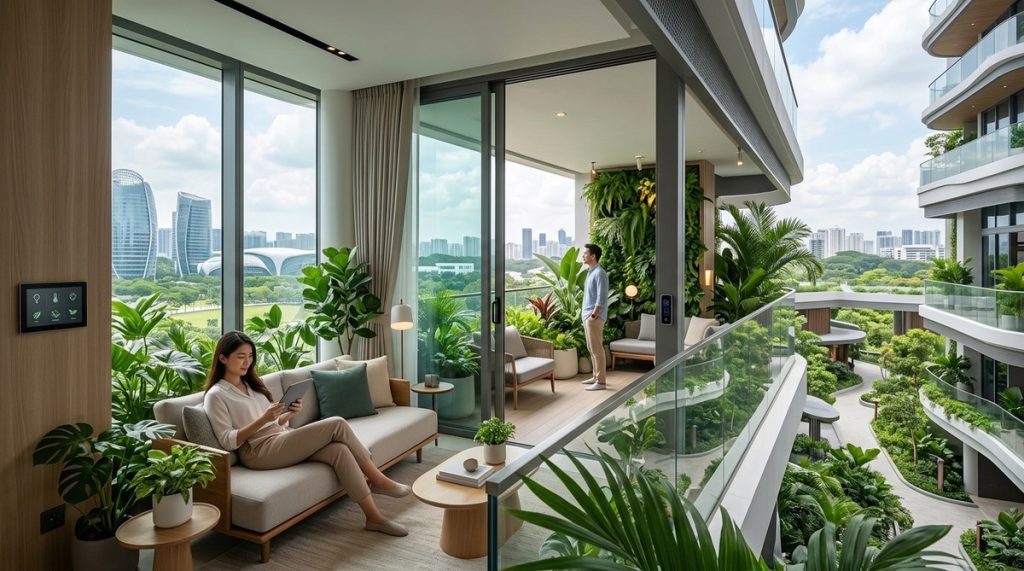
Thinking about moving or investing in Singapore’s property scene in 2026? The residential landscape is shifting rapidly, driven by innovative designs, smarter living, and changing lifestyle preferences. From eco-friendly features to connected communities, the top emerging trends in Singapore’s housing market are shaping how residents live, work, and play. Staying aware of these developments helps you make smarter choices, whether you’re buying, renting, or simply curious about future living options.
In 2026, Singapore’s residential market is influenced by smart technology integration, sustainability focus, and community-centric designs. Understanding these trends helps buyers and investors make informed decisions for future living and growth opportunities.
Smart Living Becomes the Norm
One of the most noticeable trends in 2026 is the integration of smart technology into residential units. Homes are now equipped with intelligent systems that control lighting, air conditioning, security, and even appliances via voice command or mobile apps. This shift towards automation offers residents greater convenience and energy efficiency.
Smart home features are not limited to high-end properties. Developers are now incorporating these systems into mid-tier and even some public housing projects, making smart living accessible across different segments. For example, integrated sensors might alert residents to maintenance needs or optimize energy use, reducing costs over time.
Sustainability Takes Centre Stage
Environmental consciousness remains a dominant theme in Singapore’s housing scene. New developments increasingly adopt green building standards, with features like solar panels, rainwater harvesting, and energy-efficient insulation. Many projects are aiming for Green Mark certification, Singapore’s benchmark for sustainable buildings.
Residents in 2026 are also prioritising eco-friendly features such as community gardens, urban farms, and green rooftops. These not only improve air quality but also foster a sense of community and well-being.
Modular and Flexible Units for Future Proofing
Flexibility in unit design is gaining popularity, especially among young professionals, families, and investors. Modular units allow residents to adapt their living space as their needs evolve. For instance, a two-bedroom unit can be reconfigured into a one-bedroom with a work-from-home space or a small studio.
Developers are offering versatile layouts that cater to different lifestyles, making units more appealing for long-term occupancy or rental. This adaptability aligns well with Singapore’s dynamic urban environment.
Community-Centric Developments
Communities are shifting focus from individual units to shared spaces that promote social interaction. Residents now expect amenities like co-working zones, communal kitchens, and outdoor terraces that foster a sense of belonging.
Smart neighbourhoods also incorporate digital platforms for residents to connect and organise activities. These developments often feature pedestrian-friendly layouts, parks, and integrated retail outlets, creating lively, self-sufficient ecosystems.
Embracing Biophilic Design and Nature Integration
Bringing nature into homes and neighbourhoods remains a key trend. Biophilic design, which enhances connectivity with the natural environment, is evident in many new projects. Expect extensive greenery, indoor gardens, and large windows framing lush views.
Green corridors and parks are integrated into residential estates, encouraging outdoor activities and promoting mental health. This focus on nature reflects Singapore’s commitment to sustainable urban living.
Innovative Use of Space and Compact Living
Space optimisation continues to be critical, especially in densely populated areas like District 5 and the city fringe. Compact, cleverly designed units with built-in storage solutions are common. Multi-purpose furniture and vertical gardens help residents maximise limited space.
Developers are also experimenting with micro-apartments and co-living spaces that offer affordability without sacrificing comfort, catering to singles and young couples.
Digital Infrastructure Enhances Connectivity
High-speed internet and 5G connectivity are now standard in new developments. These advanced digital infrastructures support remote working, online education, and smart home features seamlessly.
Residents benefit from integrated digital platforms offering community updates, booking amenities, and home automation controls, making daily life more efficient and connected.
Focus on Wellness and Lifestyle Amenities
Health and wellness amenities are now a core part of residential offerings. Expect gyms, yoga pavilions, jogging tracks, and wellness zones within developments. Some projects also feature outdoor fitness equipment and mindfulness gardens.
These features support the holistic well-being of residents, encouraging an active and balanced lifestyle.
Local Neighbourhoods Evolve with New Hotspots
Areas like Buona Vista, Holland Village, and Queenstown are transforming into vibrant lifestyle hubs. New cafes, retail outlets, and cultural spots are sprouting up, making these neighbourhoods more attractive for residents.
Developers are also investing in improving public transport connectivity, ensuring residents can easily access other parts of Singapore. The upcoming Circle Line extension, for example, will further enhance accessibility to key districts.
Practical Steps for Prospective Buyers and Investors
- Research emerging developments: Look for projects embracing sustainability and smart features.
- Assess community facilities: Consider amenities that promote social interaction and wellness.
- Review unit flexibility options: Choose units that can adapt to your future needs.
- Understand local growth potential: Invest in areas with upcoming infrastructure and lifestyle upgrades.
- Consult with property experts: Get insights on future trends and pricing strategies.
Common Pitfalls to Watch Out For
| Techniques | Mistakes to Avoid |
|---|---|
| Prioritising smart features over location | Ignoring neighbourhood growth prospects |
| Overlooking sustainability certifications | Buying units with limited future flexibility |
| Focusing only on aesthetics | Neglecting the quality of community amenities |
| Underestimating maintenance costs | Ignoring digital infrastructure quality |
“In 2026, the most successful residents and investors are those who see beyond current trends and focus on adaptability, sustainability, and connectivity. These qualities ensure long-term value and a more enriching living experience.” – Urban planner Jane Tan
Your Next Steps in Navigating Future Living
Understanding emerging residential trends in Singapore can help you identify the best opportunities for your needs. Whether you are considering a new home or an investment, keep an eye on developments that combine innovation with sustainability and community spirit.
Visit the top property developments in One North to see how these trends are being realised in prime locations. Reviewing detailed unit layouts and neighbourhood guides will help you make the most informed decision.
Embracing the Future of Living in Singapore
As the city-state continues to evolve, so do the ways we live and interact with our environment. Staying updated on the latest residential trends ensures your home remains a place of comfort, convenience, and value. Whether you’re a prospective buyer or an investor, recognising these shifts can turn your property journey into a rewarding experience.
Remember, the key to thriving in Singapore’s future residential landscape is adaptability. With carefully selected units and community-focused developments, you can enjoy a vibrant, sustainable, and connected lifestyle well into 2026 and beyond.