10 Underrated European Cities You Can Visit on a Direct Flight from Changi
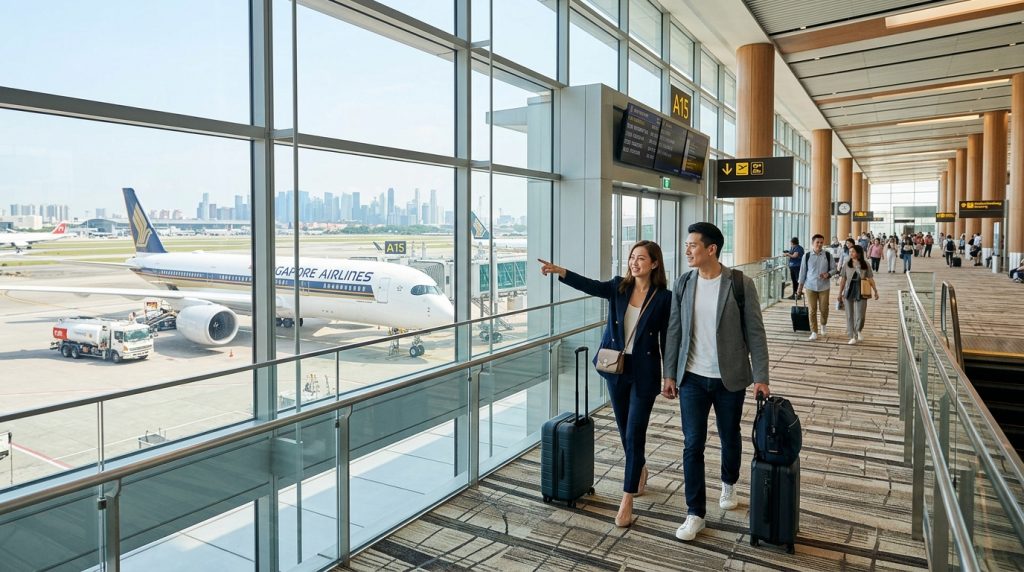
Getting to Europe from Singapore used to mean enduring long layovers in the Middle East or Asia. Not anymore. Changi Airport now offers an impressive network of nonstop routes that can get you to some of Europe’s most exciting cities in under 14 hours. Whether you’re planning a weekend city break or a longer holiday, flying direct saves time and stress.
Singapore Airlines, Scoot, and European carriers operate direct flights from Changi to 15+ European cities including London, Paris, Rome, and Barcelona. Flight times range from 11 to 14 hours. Some routes run year-round while others operate seasonally. Booking 8 to 12 weeks ahead typically offers the best fares. Direct flights eliminate layover hassles and can shave 4 to 8 hours off your total journey time.
Major European cities with year-round direct service
Several European capitals maintain daily or near-daily nonstop connections to Singapore throughout the year.
London stands as one of the most frequent routes. Singapore Airlines operates multiple daily flights to Heathrow, with the journey taking around 13 hours and 30 minutes. British Airways also runs this route, giving you flexibility with departure times and airline loyalty programmes.
Paris receives daily nonstop service via Singapore Airlines to Charles de Gaulle Airport. The 13-hour flight lands you in the heart of Europe’s rail network, making it easy to continue to Belgium, the Netherlands, or Switzerland.
Frankfurt serves as another major hub with daily Singapore Airlines flights. The roughly 12-hour and 45-minute journey connects you to Lufthansa’s extensive European network, though the direct flight itself saves you from changing planes.
Zurich offers a particularly scenic option. Swiss International Air Lines partners with Singapore Airlines on this route, which takes about 13 hours. The Swiss efficiency extends to the airport, where you can clear customs and catch a train to the city centre in under 30 minutes.
Amsterdam receives year-round service from KLM, with flights clocking in at around 13 hours. Schiphol Airport sits just 20 minutes from central Amsterdam by train, and the city makes an excellent base for visiting nearby Dutch towns.
Seasonal and less frequent European routes

Beyond the major hubs, several airlines operate routes that run during peak travel seasons or a few times weekly.
Barcelona sees regular nonstop flights during European summer and the year-end holiday period. Singapore Airlines typically operates this route from May through September, with the flight time sitting at roughly 14 hours. The timing works well if you’re planning a Mediterranean holiday.
Rome benefits from seasonal direct service, usually running strongest from April through October. The 13-hour flight lands at Fiumicino Airport, putting you within easy reach of the Eternal City and the broader Italian peninsula.
Manchester offers an interesting alternative to London. The route operates several times weekly rather than daily, but the 13-hour flight gets you closer to Northern England, Scotland, and Ireland without the hassle of London’s airport transfers.
Copenhagen runs on a similar schedule, with a few flights weekly during peak seasons. The 12-hour and 30-minute journey is one of the shorter European options from Singapore, and Copenhagen Airport connects efficiently to the rest of Scandinavia.
Munich appears on the schedule during summer months and the Christmas market season. This Bavarian gateway takes about 13 hours to reach and serves as an excellent starting point for exploring Southern Germany and Austria.
| Destination | Airline(s) | Flight Time | Frequency | Best Booking Window |
|---|---|---|---|---|
| London | Singapore Airlines, British Airways | 13h 30m | Daily | 10-12 weeks ahead |
| Paris | Singapore Airlines | 13h | Daily | 8-10 weeks ahead |
| Frankfurt | Singapore Airlines | 12h 45m | Daily | 8-12 weeks ahead |
| Zurich | Singapore Airlines, Swiss | 13h | Daily | 10-14 weeks ahead |
| Amsterdam | KLM | 13h | Daily | 8-10 weeks ahead |
| Barcelona | Singapore Airlines | 14h | Seasonal | 12-16 weeks ahead |
| Rome | Singapore Airlines | 13h | Seasonal | 10-14 weeks ahead |
| Manchester | Singapore Airlines | 13h | 3-4x weekly | 10-12 weeks ahead |
Budget-friendly direct options with Scoot
Scoot, Singapore Airlines’ low-cost subsidiary, operates several European routes that deserve attention if you’re watching your budget.
Athens became Scoot’s first European destination, with flights running year-round. The roughly 12-hour journey offers a more affordable gateway to Greece and the Eastern Mediterranean. You’ll need to pay separately for meals and checked luggage, but the base fare often undercuts full-service carriers by 40% or more.
Berlin joined the network more recently, operating during peak travel periods. The 13-hour flight connects you to Germany’s creative capital at prices that leave more money for museums and restaurants once you arrive.
The trade-offs with budget carriers are real but manageable. Seats offer less legroom than premium economy on full-service airlines. Entertainment systems may be basic or require your own device. Meals cost extra. But for travellers who can sleep on planes or don’t mind bringing their own entertainment, the savings add up considerably.
Book Scoot flights during their regular sales, which typically run quarterly. Fares can drop 30% to 50% below regular prices. Just make sure to read the baggage allowance carefully. A 20kg checked bag costs less when added during initial booking than at the airport.
Understanding flight schedules and seasonal variations

European routes from Singapore follow patterns tied to both Northern Hemisphere seasons and Singapore’s school holidays.
Peak season runs from June through August, coinciding with European summer and Singapore’s mid-year school break. Expect higher fares and fuller flights. December also sees a surge around the Christmas and New Year period.
Shoulder seasons in April to May and September to October often provide the sweet spot. Weather remains pleasant across most of Europe, crowds thin out, and flight prices drop 20% to 35% compared to peak months.
Some routes only operate during specific windows:
- Mediterranean destinations like Barcelona and Rome typically run strongest from April through October
- Christmas market routes to Munich and Copenhagen may add extra frequencies in November and December
- Ski season can boost flights to Zurich and Geneva from December through March
Airlines adjust schedules about twice yearly, usually in late March and late October. Check the specific dates for your travel period rather than assuming a route runs year-round.
Comparing direct flights to one-stop alternatives
The case for flying direct goes beyond just saving time, though that matters plenty.
A typical one-stop journey through Dubai or Doha adds 3 to 6 hours to your total travel time. That’s not counting the energy drain of deplaning, finding your next gate, and boarding again. Direct flights let you settle in, sleep if possible, and wake up in Europe.
Jet lag hits differently too. Fewer interruptions to your sleep cycle mean you adjust faster. Landing in London at 6am after a direct overnight flight beats arriving at 2pm after a dawn layover in the Gulf.
Cost comparisons get trickier. One-stop flights sometimes undercut direct options by $200 to $400, especially on Middle Eastern carriers known for competitive pricing. But factor in these hidden costs:
- Airport meals during layovers ($15 to $30)
- Higher risk of delayed or lost luggage with connections
- Potential hotel costs if a long layover spans overnight
- The value of 4 to 6 extra hours at your destination
For trips under 10 days, direct flights make even more sense. Every hour counts when you’re trying to maximise a short break.
Booking strategies for the best fares
Timing your purchase matters as much as choosing your route.
The 8 to 12 week window before departure typically offers the best balance of availability and price. Airlines release seats in fare buckets, and the cheapest buckets sell out first. Book too early and you might pay a premium for flexibility you don’t need. Wait too long and only expensive seats remain.
Midweek departures cost less than weekend flights. Tuesday and Wednesday departures from Singapore often run $100 to $200 cheaper than Friday or Saturday options. The same applies to return flights.
Flight comparison tools help, but check the airline’s website directly too. Sometimes carriers offer promotions or bundle deals that don’t appear on aggregator sites. Singapore Airlines’ KrisFlyer programme, for instance, occasionally runs transfer bonuses that make award tickets more attractive than paying cash.
Consider these tactics:
- Set fare alerts for your preferred routes 4 to 5 months before travel
- Check prices in incognito mode to avoid dynamic pricing based on cookies
- Be flexible with your exact dates by a day or two in either direction
- Compare the cost of flying into one city and out of another (open jaw tickets)
Budget carrier sales require a different approach. Scoot and other low-cost airlines announce flash sales with short booking windows. Subscribe to their newsletters and be ready to commit when prices drop.
What to expect on ultra-long-haul flights
Thirteen hours in the air demands preparation, regardless of which cabin class you choose.
Economy passengers should dress in layers. Cabin temperatures fluctuate, and you’ll want the option to add or remove clothing. Compression socks help with circulation. An eye mask and noise-cancelling headphones transform your ability to rest, even in a full cabin.
Hydration matters more than you think. The low humidity in aircraft cabins (usually 10% to 20%) dries you out faster than you notice. Drink water regularly throughout the flight. Skip excessive alcohol, which dehydrates you further and worsens jet lag.
Movement prevents stiffness and reduces DVT risk. Stand and walk the aisles every 2 to 3 hours. Simple stretches in your seat help too: ankle circles, shoulder rolls, neck stretches.
Entertainment options have improved dramatically. Most long-haul aircraft feature extensive movie libraries, TV shows, and music. But download backup content to your own device just in case. A good book, podcast queue, or downloaded Netflix series gives you alternatives.
Meal service typically happens twice on these flights: once shortly after takeoff and again before landing. The timing aligns with helping you adjust to European time zones. Try to eat according to your destination’s schedule rather than Singapore time.
Immigration and arrival considerations
Landing in Europe on a direct flight simplifies entry procedures compared to connecting through a third country.
Singapore passport holders enjoy visa-free access to the Schengen Area for stays up to 90 days within any 180-day period. This covers most Western European destinations. The UK requires separate entry clearance but also grants visa-free stays for Singaporeans.
Immigration queues vary by airport and time of day. Early morning arrivals from Asia often coincide with multiple long-haul flights landing simultaneously. Frankfurt and Amsterdam have invested in automated gates that speed processing for eligible passports. London Heathrow can be slower, particularly at Terminal 2.
Have these ready before you land:
- Your passport (valid for at least 6 months beyond your stay)
- Return or onward ticket confirmation
- Accommodation details for your first night
- Proof of sufficient funds if asked (rarely required but good to have)
Most European airports offer excellent public transport links to city centres. Research your connection before landing. Frankfurt, Zurich, and Amsterdam all have train stations integrated into the airport. Paris and London require short transfers but offer frequent service.
Making the most of your direct flight advantage
The time you save by flying nonstop translates into real benefits once you land.
Arriving in the morning European time lets you drop bags at your hotel and start sightseeing the same day. Your body might feel tired, but pushing through until evening local time helps you adjust faster. A direct flight from Singapore typically lands between 6am and 8am, giving you a full day.
That extra half-day matters enormously on short trips. A long weekend suddenly becomes viable when you’re not losing 6 hours to a layover. You can catch a Friday night flight from Singapore, spend Saturday and Sunday in Europe, and return Monday evening.
Business travellers benefit even more. Attending a Tuesday morning meeting in London becomes feasible with an overnight Sunday flight. You arrive Monday morning, have the full day to prepare and adjust, meet Tuesday, and fly home Wednesday.
The reduced fatigue from direct flights also affects your first few days. Travellers consistently report feeling more energetic and adjusting faster after nonstop journeys compared to one-stop alternatives. That means you enjoy your destination more from day one rather than spending 48 hours in a fog.
Your European adventure starts at Changi
Direct flights from Singapore to Europe have transformed how we think about European travel. What once required careful planning around layovers and connection times now needs just a single boarding pass and 12 to 14 hours of patience.
The network keeps expanding too. Airlines add routes based on demand, and Singaporeans’ appetite for European holidays shows no signs of slowing. Keep an eye on new route announcements, particularly during industry events like the Singapore Airshow.
Start planning your trip by choosing your destination first, then checking which airlines serve that route. Compare the direct flight cost against one-stop alternatives, factoring in your time and energy. Book during that sweet spot 8 to 12 weeks out, and you’ll likely land a fair price.
Europe awaits, and getting there has never been simpler. Your next adventure is just one flight away.